Back To Blog
 Beyond Viral Trends: Why Fidget Toys Became a Long-Term Retail Category
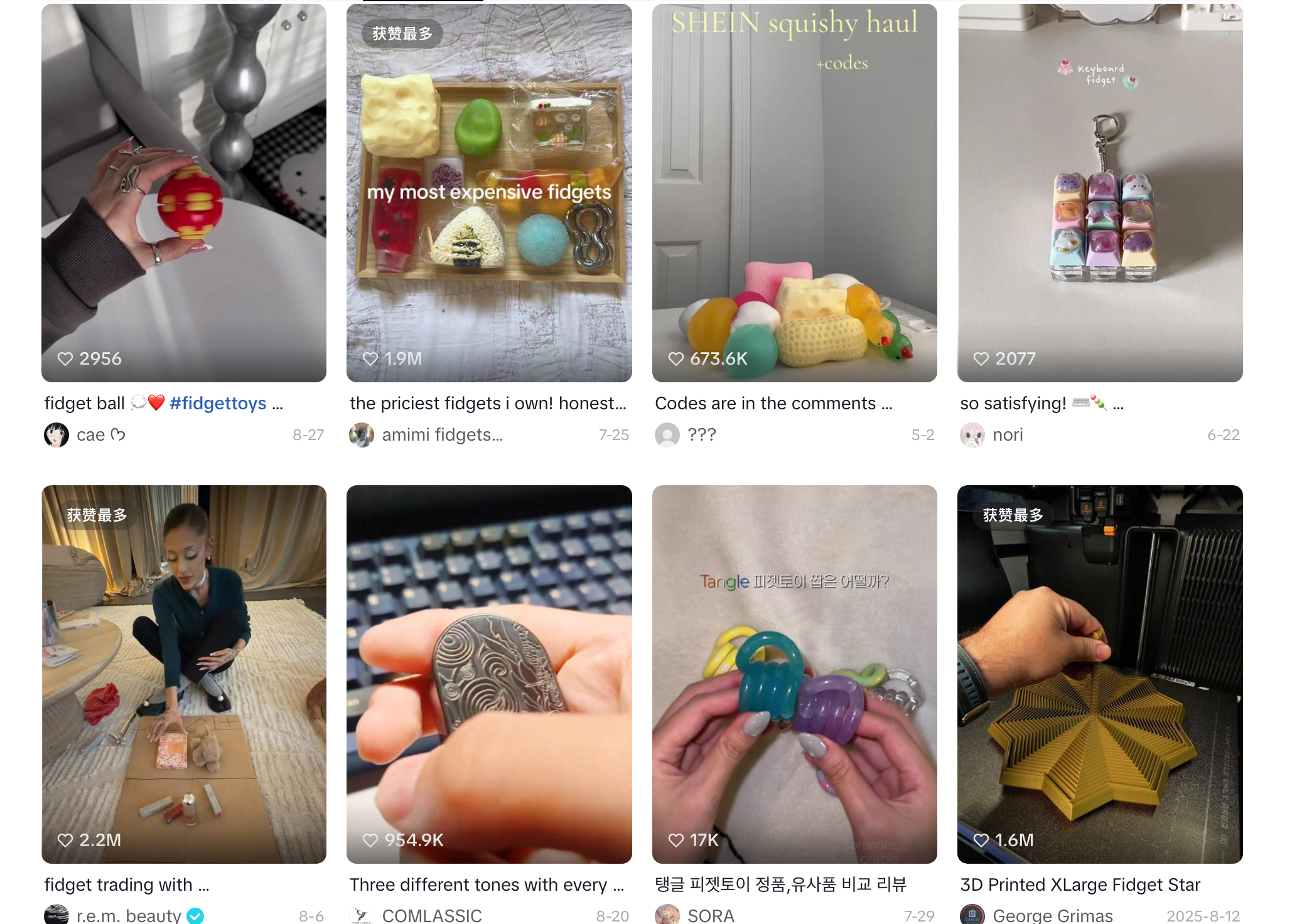
The gift and collectible toy market is constantly evolving, and Fidget toys are a good example of how quickly a seemingly simple product can grow into a broader consumer category. Often dismissed as low-cost, internet-famous trinkets, Fidget toys have developed into a diverse range of products with different designs, materials, and sensory experiences. Their growing popularity is not simply the result of short-form video trends. Behind the social media buzz is a more fundamental driver: a growing consumer demand for simple, accessible ways to relax, refocus, and manage everyday stress.
What Are Fidget Toys?
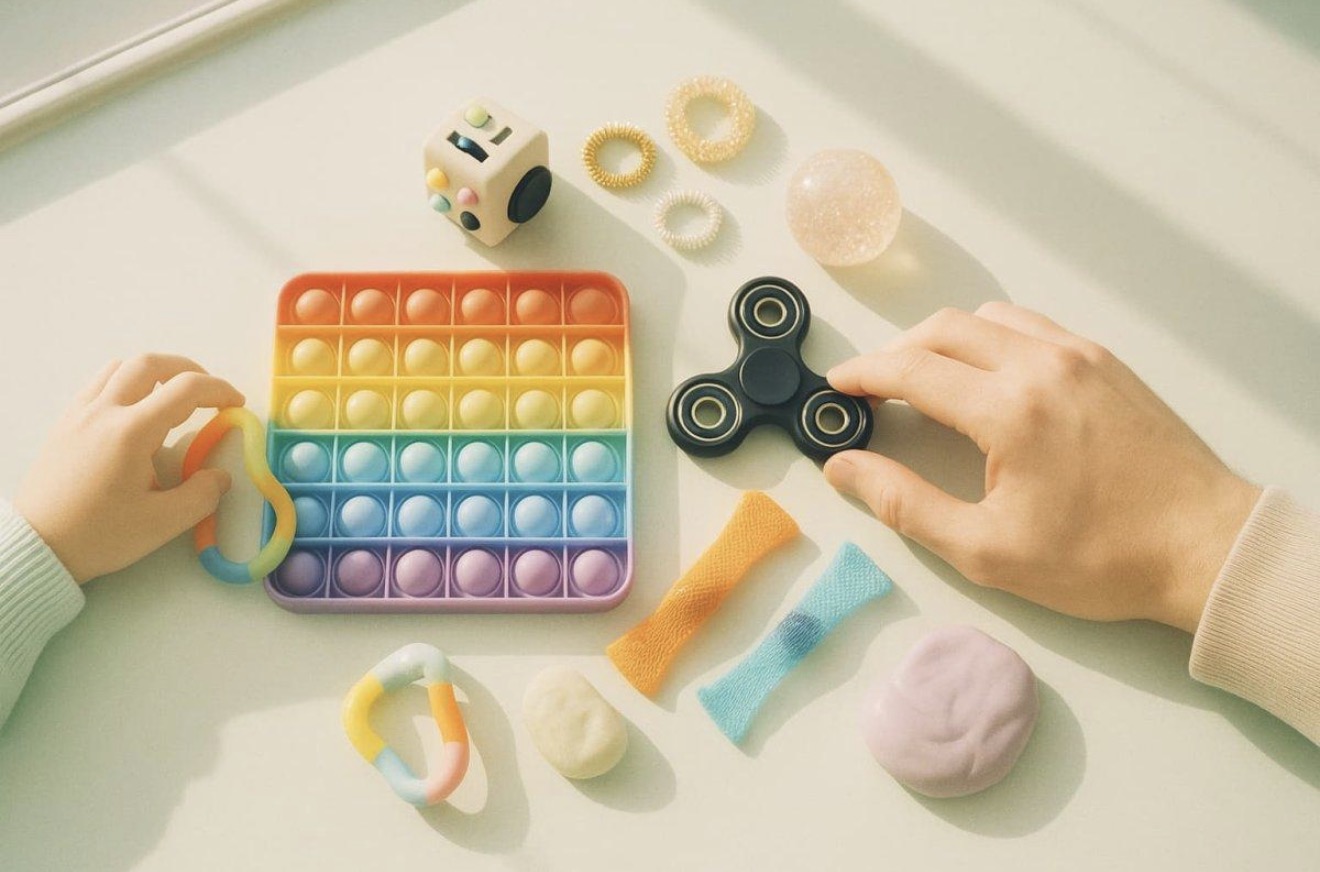
Fidget toys, also known as sensory toys, are designed around simple, repetitive hand movements such as squeezing, twisting, pressing, sliding, and spinning. They provide tactile feedback, gentle resistance, or subtle sounds that can help users relax, refocus, and relieve everyday stress.
Originally developed as sensory and focus aids for people with sensory sensitivities and neurodiverse individuals, Fidget toys have now entered the mainstream consumer market, attracting a wide range of users, from students to office workers.
Unlike IP-driven collectibles such as Labubu, Fidget toys focus primarily on the hands-on experience and sensory satisfaction rather than IP appeal or speculative resale value, making them a more experience-driven and less hype-dependent category.
Note: Fidget toys are consumer products, not medical devices. They may help with temporary stress or restlessness but are not intended to treat mental health conditions.
Main Product Categories of Fidget Toys
Based on their interaction and handling mechanics, mainstream Fidget toys can be divided into five core categories:
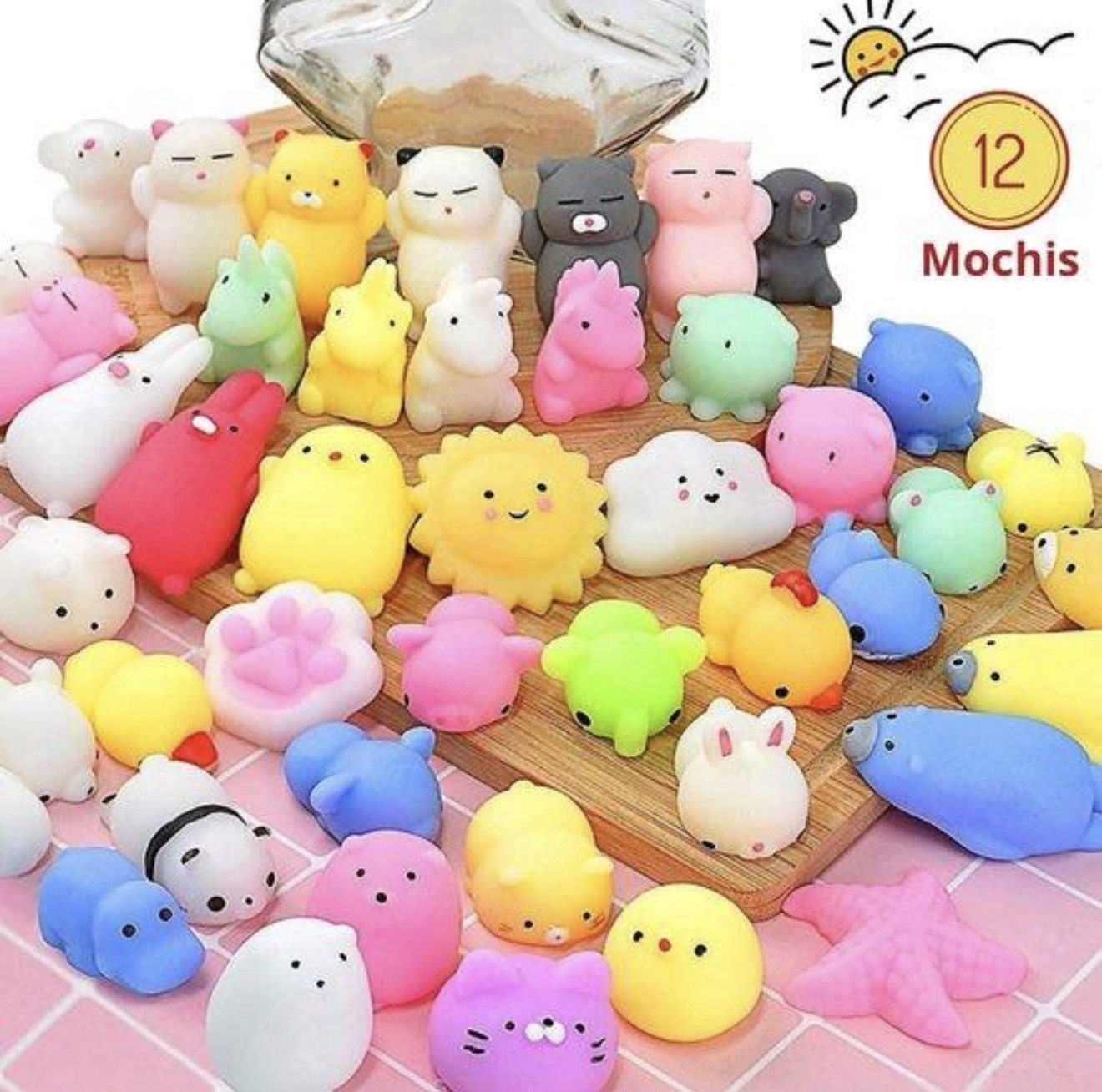
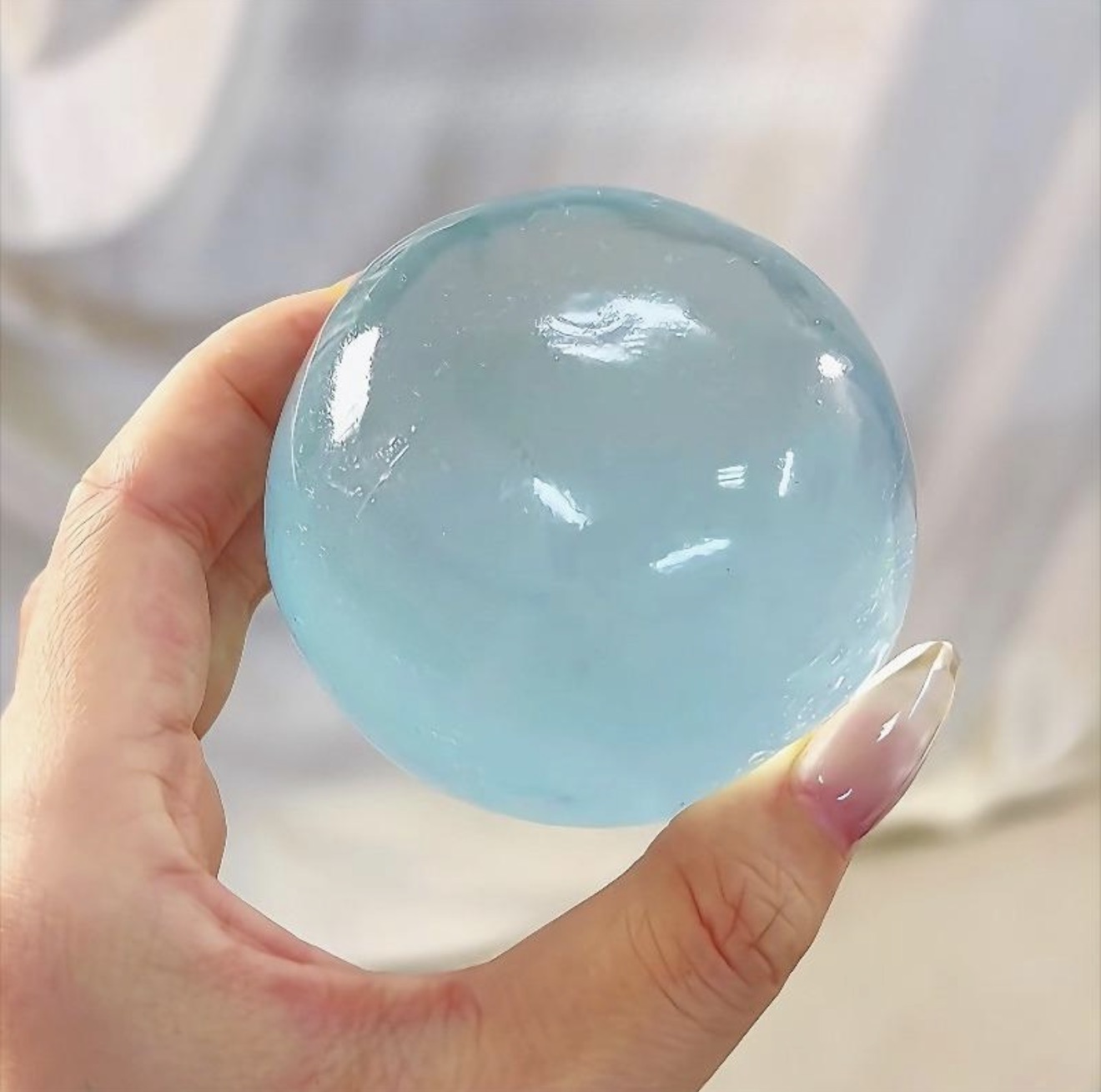
Squish & Squeeze
Soft and squeezable toys that provide a satisfying rebound and tactile experience. Popular examples include slow-rise squishies, mochi-style toys, and gel stress balls. Their cute designs and soft textures make them popular for casual use, gifts, and impulse purchases.
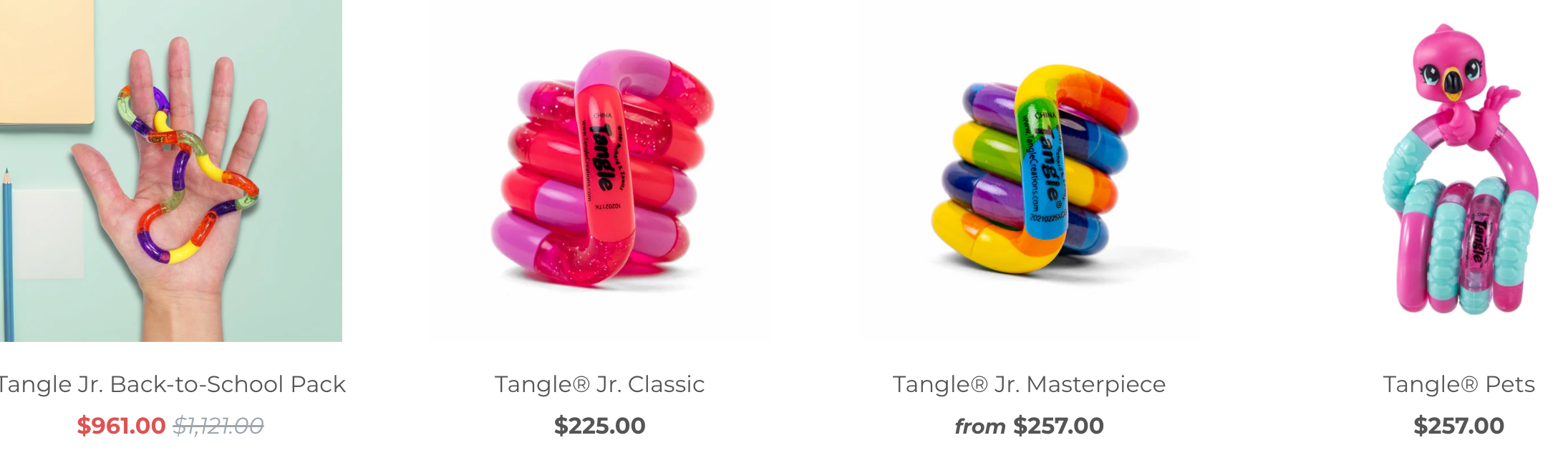
Twist & Bend
Designed to be repeatedly twisted, folded, or manipulated, these toys usually produce little noise. Products such as Tangle toys and chain fidgets are particularly suitable for offices, classrooms, and other quiet environments.
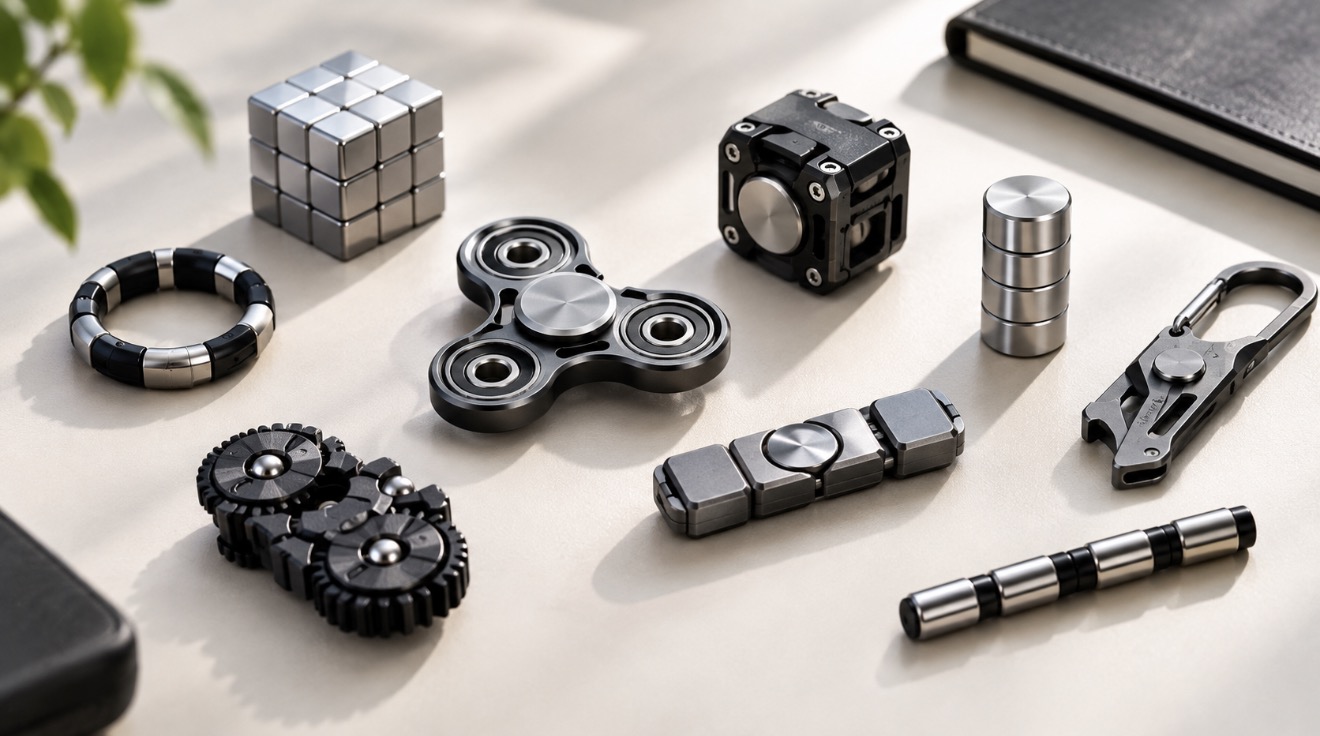
Magnetic & Mechanical EDC
Featuring magnets or mechanical structures, these toys offer satisfying clicks, slides, and other tactile feedback. Magnetic sliders, infinity cubes, and metal fidgets are popular among adult users, with prices ranging from affordable plastic models to premium metal versions.
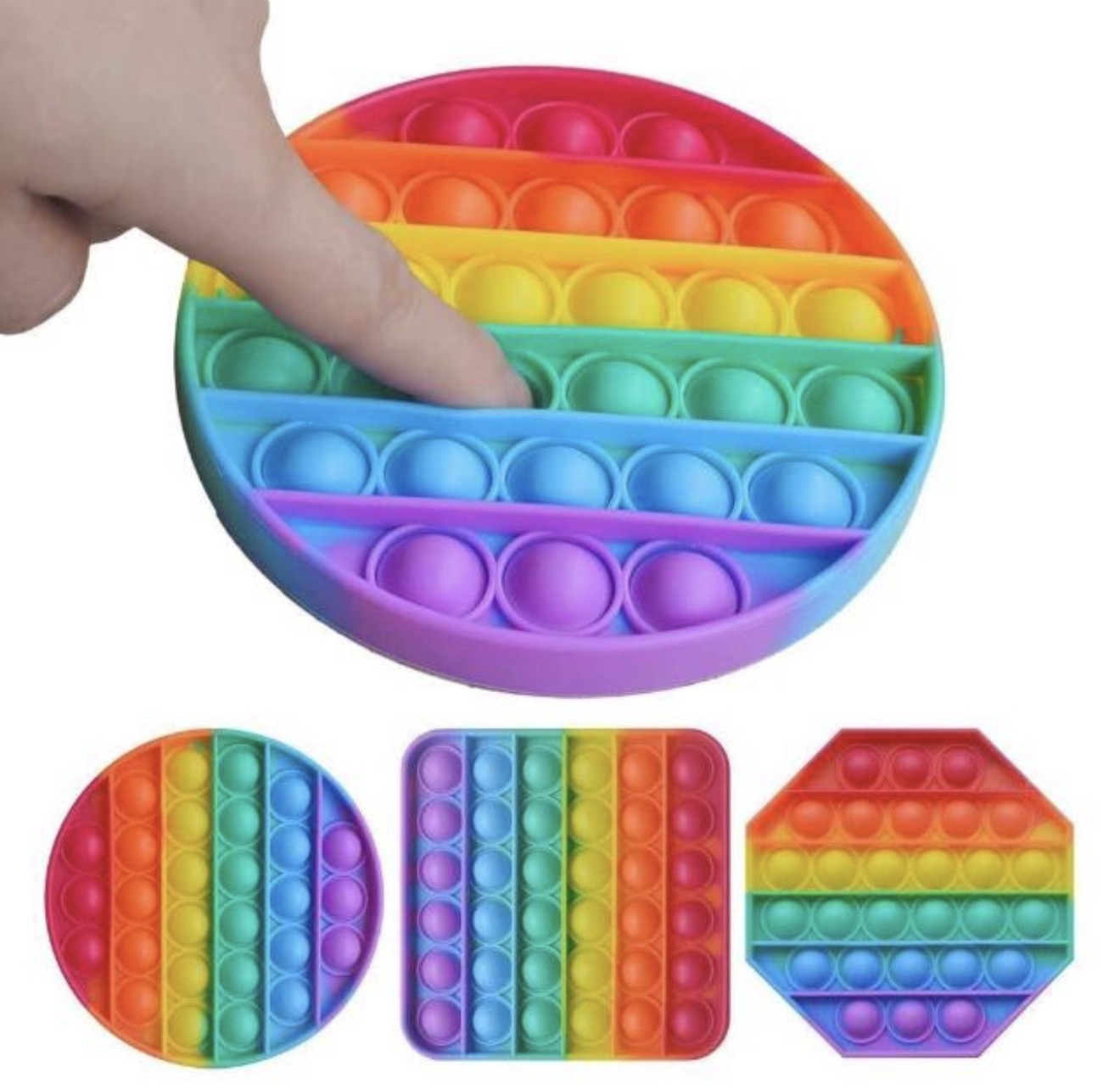
Click & Pop
These toys combine tactile and auditory stimulation through popping or clicking actions. Pop-it boards and clicker cubes are simple, affordable, and widely used as small gifts, party favors, and promotional items.
Spin & Wearable
Centered around spinning movements, this category includes fidget spinners and fidget rings. Their compact size makes them easy to carry, while wearable designs add decorative and gifting appeal.
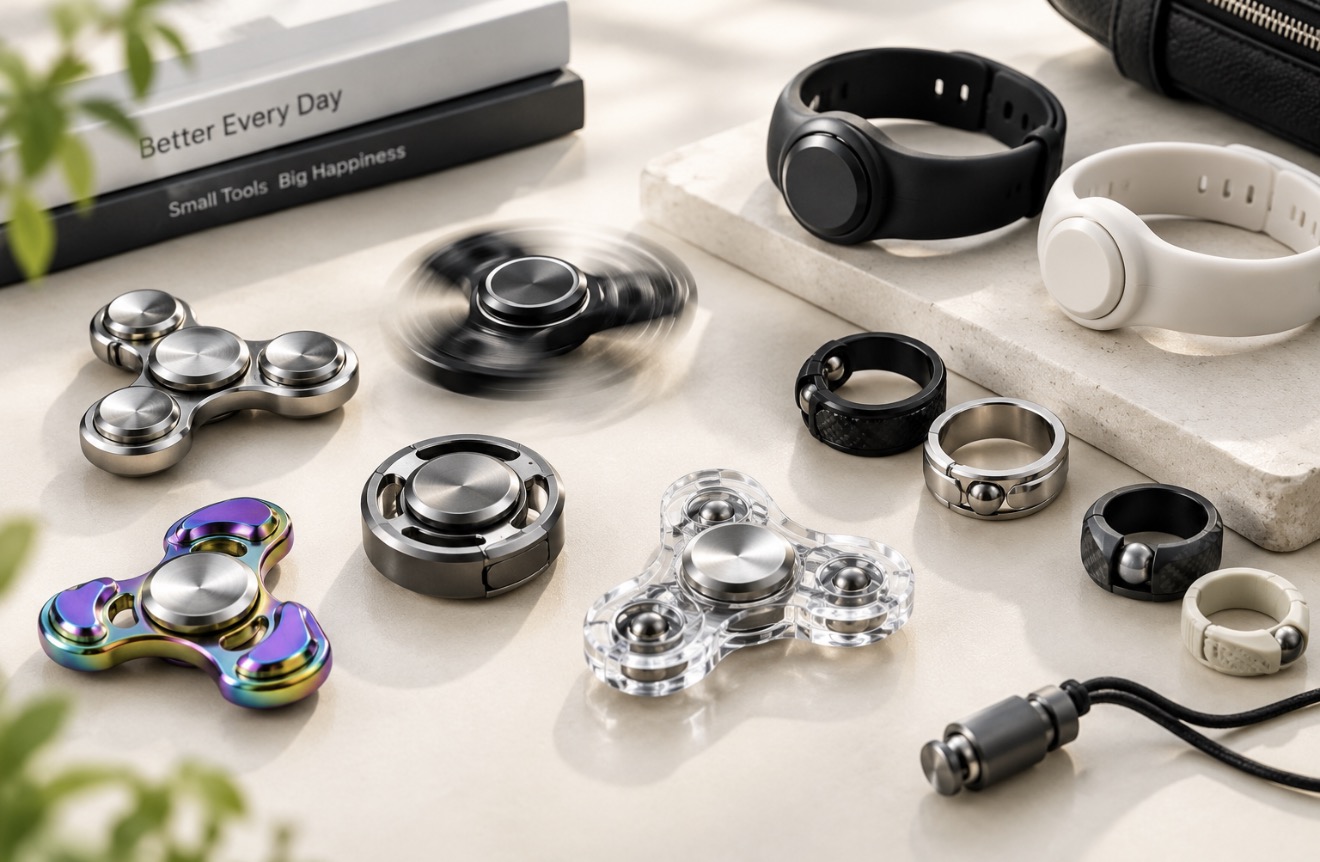
Key Sourcing Differentiator:
Fidget toys cover a wide price range. Entry-level products mainly compete on low cost and volume, while higher-quality products use better silicone, metal, and craftsmanship to deliver more consistent tactile performance and stronger margins.
Core Reasons Behind Fidget Toys’ Popularity
Unlike IP collectibles that rely heavily on celebrity hype or artificial scarcity, the growth of Fidget toys is largely driven by genuine consumer demand. Social media has accelerated their visibility, but the underlying appeal comes from the products themselves.
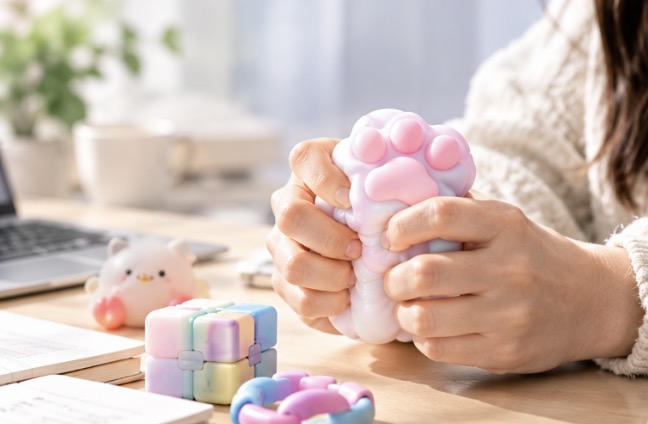
- Instant Stress Relief
Modern consumers face constant pressure from school, work, deadlines, and daily responsibilities. These stress moments are often sudden and fragmented, making it difficult to step away for exercise or seek emotional support.
Fidget toys provide a simple physical outlet through repetitive actions such as squeezing, twisting, pressing, and sliding. The tactile resistance and repetitive motion offer a brief moment of relaxation, making instant stress relief one of the category’s most lasting sources of demand.
- A Multi-Sensory Experience
Fidget toys appeal to more than just the sense of touch. Their tactile, visual, and auditory features work together to create a satisfying sensory experience.
Soft silicone, mechanical resistance, crisp clicks, attractive colors, and unique designs all contribute to their appeal. This has also fueled the popularity of ASMR and product-handling content on social media, giving consumers both a relaxing experience and an aesthetically pleasing product.
- From Personal Play to Social Sharing
Fidget toys have evolved beyond individual use. Online communities now share product reviews, colorways, unboxing videos, and satisfying handling clips, turning Fidget toys into natural conversation starters.
Platforms such as TikTok and Instagram have significantly increased product exposure. However, social media is an amplifier rather than the fundamental source of demand. Individual viral products may eventually fade, while the broader need for simple stress-relief tools and affordable gifts remains.
- Part of a Personal Wellness Toolkit
Young consumers increasingly view stress management as a combination of different habits and tools rather than something a single product can solve.
Fidget toys occupy a small but practical role in this personal wellness toolkit, particularly for dealing with short, everyday moments of tension. Consumers are willing to pay for products that provide genuine sensory value, but they also pay close attention to material safety, durability, and actual performance. This creates opportunities across both affordable entry-level products and higher-quality premium options.
Practical Sourcing Advice for Retailers
Tier Product Quality and Match Products to Different Scenarios
Avoid relying entirely on low-cost, generic inventory. Affordable entry-level SKUs can work well in checkout areas, where they are more likely to drive impulse purchases. For gift displays and desktop product sections, consider better-made, safety-tested mid- to high-end options to improve overall margins.
Manage Compliance Risks and Avoid Inferior or Copycat Products
Toy safety regulations are strict in North America and Europe. In the United States, Fidget toys generally need to meet ASTM F963 requirements and be supported by a Children’s Product Certificate (CPC). In the European Union, applicable products need to comply with the EN 71 standards and carry the CE marking.
For silicone and slow-rise squishy products, pay particular attention to test reports covering restricted substances such as phthalates and formamide. Choosing original designs and reliable suppliers can also help reduce the risk of quality complaints, customs issues, and potential intellectual-property disputes.
Stable Category Demand Does Not Mean Every Viral SKU Will Last
The Fidget toy category has strong underlying demand, but individual viral products still tend to follow short popularity cycles. Pop-it toys, for example, experienced explosive global growth before sales declined significantly as the hype cooled.
Rather than placing large orders based on a single viral product, start with smaller trial quantities. Once a product proves its performance through actual in-store sales, you can scale up replenishment with greater confidence.
Use a Different Sourcing Strategy From IP-Based Collectibles
Collectibles such as Labubu often depend heavily on IP appeal, celebrity attention, and secondary-market speculation. Fidget toys work differently. Their competitive edge comes mainly from tactile experience, material quality, design, and product safety.
When sourcing Fidget toys, focus on what the product actually delivers rather than simply following the latest viral trend.
Want to explore more insights into the gift and collectibles industry? Check out our other articles, or reach out to us for additional sourcing and procurement resources.
Conclusion
In the gift and collectible toy market, products driven mainly by social-media hype and scarcity marketing can rise quickly and disappear just as fast. The lasting appeal of Fidget toys comes from something more fundamental: they meet everyday needs for quick stress relief, sensory stimulation, and affordable, easy-to-give gifts. As a simple, low-cost tool for managing moments of everyday tension, they offer practical value beyond short-lived online trends. For gift retailers, instead of constantly chasing the next viral IP product, it may be more worthwhile to keep an eye on niche categories with genuine, long-term consumer demand.
Here are some related articles you may find interesting: